

Key Takeaways
- Retain Taste Buds: Taste perception adapts to low-sodium eating within days to weeks of consistent exposure.
- Use the 4 Flavor Pillars: Substitute salt with Acids (citrus/vinegars), Aromatics (garlic/onions), Umami (nutritional yeast/dashi), and Dry-Roasted Spices.
- Watch Hidden Sodium: Over 75% of dietary sodium comes from processed foods and restaurant meals, not the salt shaker.
- Sea Salt Myth: Sea salt, Himalayan pink salt, and kosher salt contain the exact same sodium per gram as regular table salt.
Flavor without salt is achieved through herbs, spices, acidic ingredients, and aromatics that stimulate the same sensory pathways as sodium. Your taste perception is also adaptable; repeated exposure to lower-salt food reshapes what your palate registers as satisfying.
Is my food going to be bland and boring forever?
No. A study found that specific herb combinations — basil, oregano, and cumin — made low-salt tomato soup rate as equally acceptable as standard-salt versions. Taste perception adjusts within days to weeks of consistent lower-sodium eating.
Learn more here: how long it takes for a low-sodium diet to lower blood pressure.
Both the American Heart Association and WHO set a dietary sodium ceiling of 2g per day as a primary cardiovascular risk threshold. Between 17% and 30% of hypertension cases are directly attributable to excess dietary salt.
Where is all this hidden salt coming from?
In Western diets, 75% of sodium intake comes from processed foods — not the salt shaker.1 Home cooking adds roughly 30% of total intake. The four highest-impact sources to target:
- Processed meats and canned products — preserved with sodium for shelf stability.
- Bread and cereal products — the most significant hidden source because of how frequently they appear across meals.
- Salty snacks and pizza — high-density sodium that sustains a preference for elevated salt levels.
- Discretionary cooking salt — habit-based additions during food preparation.
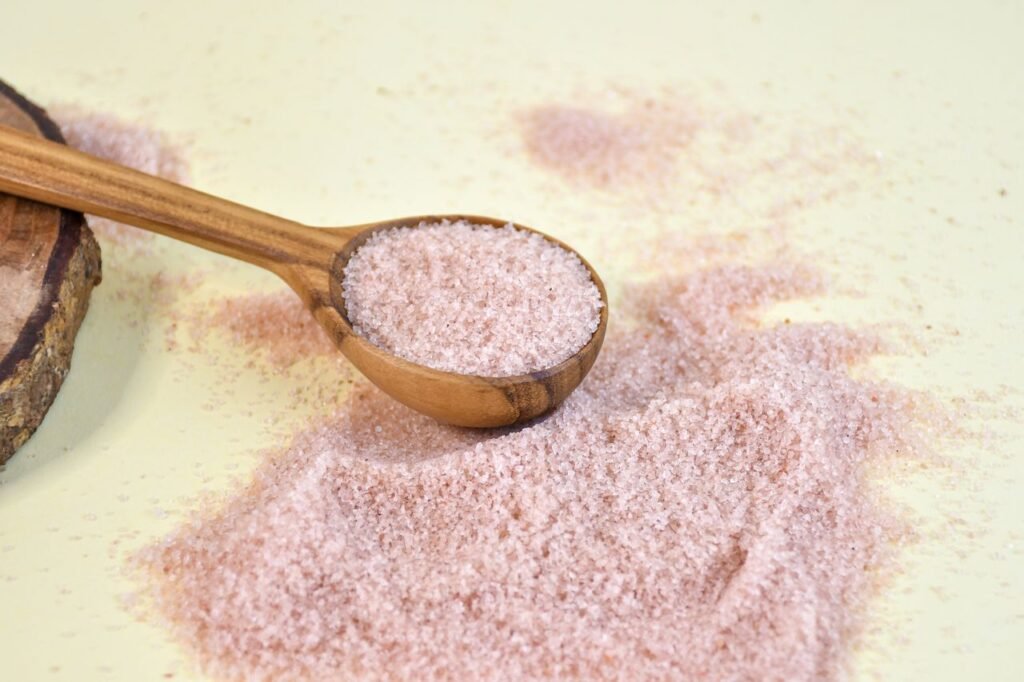
Note on “healthier” salts: sea salt, kosher salt, and Himalayan pink salt contain approximately the same sodium as table salt. They offer no sodium-reduction benefit.
Learn more: Is Himalayan pink salt safer than table salt?
How do I cook a meal without the salt?
You can season food effectively without salt by utilizing a variety of natural herbs, spices, citrus, and aromatic vegetables. These options provide robust flavors while helping you cut back on sodium.
Natural Flavor Substitutes
| Flavor Element | Key Ingredients | Sensory Mechanism | Best Culinary Applications |
| Herbs & Dry Spices | Basil, oregano, rosemary, thyme, cumin, paprika, turmeric | Dry-roasting whole spices releases aromatic volatile oils that deepen overall flavor density. | Roasted root vegetables, stews, whole grains, poultry rub |
| Citrus & Fresh Acids | Lemon juice/zest, lime, fresh orange juice | Acidic compounds trigger saltiness receptors on the tongue, creating instant brightness. | Finishing touch on grilled fish, steamed greens, roasted chicken |
| Sautéed Aromatics | Garlic, onions, shallots, leeks | Slow sautéing or roasting breaks down sugars into glutamate-rich savory notes (umami). | Soups, marinades, skillet meals, low-sodium bean dishes |
| Vinegars & Umami | Apple cider vinegar, red wine vinegar, nutritional yeast, dashi | Triggers cross-modal neural pathways in the brain to simulate the sensory satisfaction of sodium. | Salad dressings, roasted squash, pasta sauces, grain bowls |
| Heat & Pungency | Fresh ginger, galangal, chili peppers, cayenne, crushed red pepper | Pungent compounds create a warm sensory kick that diverts the palate away from missing salt. | Asian-inspired stir-fries, curries, bean dips, roasted peppers |
Proven Flavor Blends
Research studies have highlighted specific herb and spice combinations that successfully maintain food acceptability with reduced salt levels.
| Blend Name | Spice Ratio & Ingredients | Flavor Profile | Best Culinary Applications |
| Dillicious | Dill weed, garlic powder, onion powder, black pepper | Herbaceous, savory, mildly pungent | Roasted potatoes, grilled salmon, cucumber salads, plain Greek yogurt dips |
| Fiesta | Cumin, dried oregano, cayenne pepper, garlic powder, onion powder | Warm, earthy, spicy, robust | Black beans, sheet-pan chicken fajitas, taco meat, roasted corn |
| Tomato Base | Dried oregano, bay leaves, garlic powder, celery seed, black pepper | Savory, classic Italian, deeply aromatic | Low-sodium minestrone, homemade marinara, stewed zucchini, lentils |
| Indonesian Masala | Garlic, shallots, galangal, turmeric, lemongrass, coriander | Complex, aromatic, citrusy, warm | Stir-fried vegetables, tofu, coconut-based grain bowls, curry bases |
The “Taste Modification” Strategy
Beyond just adding ingredients, you can use a “Taste Modification” strategy to retrain your taste buds.
- Repeated Exposure: You may initially find low-salt, herb-seasoned food unpalatable, but repeated exposure over time (often just a few days or weeks) increases familiarity and acceptance.
- Conditional Change: If you consistently choose options like salads with lemon juice instead of salt, your taste buds will eventually adapt. Over time, you may find that foods you once considered “normal” now taste overly salty.
- Gradual Reduction: A gradual reduction in salt content—rather than an abrupt stop—is often more effective in maintaining food acceptability during this transition.
Flavor Enhancement Techniques
- Cross-Modal Interaction: Using “salt-associated” odors (like savory herb blends) can trick the brain into perceiving more saltiness than is actually present.
- Vinegar and Spices: Using vinegar, dashi, or strong spices in side dishes can help you achieve a satisfactory flavor without needing to add salt at the table.
- Flavor Boosters: Natural taste enhancers like yeast products or small amounts of umami seasonings (like glutamate) can also be used as part of a salt-reduction strategy.
What if I’m eating out or buying groceries?
Strategies for Buying Groceries
- Always check serving size before reading the sodium figure — manufacturers often list unrealistically small serving sizes. A product labelled at 140 mg per serving becomes 420 mg if you eat three servings.
- Fresh, unpackaged foods — vegetables, fruit, whole grains, and unprocessed meat — are naturally low in sodium and typically more cost-effective than their packaged equivalents.
| Label Claim | Sodium per Serving |
| Sodium-free | < 5 mg |
| Very low sodium | ≤ 35 mg |
| Low sodium | ≤ 140 mg |
| Reduced sodium | ≥ 25% less than original |
Strategies for Eating Out
Eating at restaurants often involves higher sodium intake, but you can maintain control with these tips:
- Plan Ahead: Check the restaurant’s website for nutritional values before you arrive. This allows you to make an informed decision without being swayed by the menu descriptions at the table.
- Identify High-Sodium Traps: Be cautious of items like sandwiches, which can easily surpass 1,500 mg of sodium (your entire daily recommended limit) due to the combination of bread, cured meats, and processed cheese.
- Request Seasoning Substitutes: Instead of using the salt shaker, look for vinegar, dashi, or strong spices to enhance the flavor of your side dishes.
- Be Mindful of Beverages: High salt intake increases thirst, often leading to a higher consumption of sugary soft drinks. Choosing lower-salt meals can naturally help you reduce your sugar intake from beverages as well.
- Reduce Frequency: Many successful sodium-reduction programs highlight avoiding eating out as a key behavior to significantly lower salt intake.
Check out the guide: how to order low-sodium food at fast food restaurants
Frequently Asked Questions
How long does it take for taste buds to adjust to less salt?
Your palate adjusts within 2 to 4 weeks of consistent low-sodium eating. Over time, lower-salt meals seasoned with herbs and citrus taste vibrant, while processed foods begin to taste overly salty.
Does sea salt have less sodium than table salt?
No. Sea salt, Himalayan pink salt, and kosher salt contain the exact same sodium content by weight (~40% sodium) as table salt and offer zero hypertension benefit.
What is the best salt substitute for high blood pressure?
The safest options are natural flavor builders: citrus juice, garlic, vinegars, and salt-free spice blends. Consult your doctor before using potassium-based salt substitutes, especially if taking blood pressure medication.
References
- Ghawi SK, et al. (2014). Enhancing consumer liking of low salt tomato soup over repeated exposure by herb and spice seasonings. https://doi.org/10.1016/j.appet.2014.05.029
- Campbell NRC, et al. (2023). 2022 World Hypertension League, Resolve To Save Lives and International Society of Hypertension dietary sodium (salt) global call to action. https://doi.org/10.1038/s41371-022-00690-0
- Fritts JR, et al. (2019). Using Herbs and Spices to Increase Vegetable Intake Among Rural Adolescents. https://doi.org/10.1016/j.jneb.2019.04.016
You own the how
Turn this into meals: the NourishFix planner builds a week of lower-sodium meals and a shopping list.
Read next
 Is Himalayan pink salt actually safer for hypertension than table salt?By Shiundu Valerie, RDNIs Himalayan pink salt safer for hypertension than table salt? Learn why pink salt and trace minerals won't protect your arteries.
 How to order low-sodium food at fast food restaurantsLearn how to order low-sodium fast food with these dietitian-approved tips. Discover hidden sodium traps and drive-through ordering scripts.
 How long does it take for a low-sodium diet to lower blood pressure?Discover exactly how many days it takes a low-sodium diet to lower blood pressure naturally, backed by clinical trials.
 Can drinking hibiscus tea every day lower systolic blood pressure?Can a daily cup of hibiscus tea lower your blood pressure? Discover the proven clinical protocol to drop your systolic numbers.
 How to lower both triglycerides and fasting blood sugarEating fewer carbs can help lower triglycerides and fasting blood sugar together. Learn how much to cut, what to swap in, and…
Sources
3 studies and guidelines behind this guide
Every NourishFix guide is written by a registered dietitian and draws on peer-reviewed research and clinical guidelines. How we choose and check sources