

Key Takeaways
- Extra Virgin Olive Oil, Canola Oil, and Rice Bran Oil offer strong clinical evidence for improving cholesterol levels, reducing LDL, and providing high oxidative stability during cooking.
- Tropical oils (coconut and palm) and animal fats (butter and lard) raise LDL and total cholesterol due to high saturated fat content.
- Always check labels for “Extra Virgin” to preserve beneficial polyphenols and “High-Oleic” for superior heat resistance.
When managing metabolic syndrome, the fats you choose for your kitchen are just as important as the foods themselves. Extra virgin olive oil and canola oil have the most robust clinical evidence for improving cholesterol and maintaining chemical stability during cooking. Both lower LDL.
EVOO’s polyphenols provide additional oxidative protection at frying temperatures. Coconut oil and palm oil lack these benefits and raise LDL via saturated fat content.
Best Cooking Oils for Lowering LDL & Total Cholesterol
- Extra Virgin Olive Oil: Considered a gold standard for frying and sautéing. Its high content of monounsaturated fats and natural polyphenols provides exceptional oxidative stability, protecting the oil from degrading into harmful substances at standard cooking temperatures.
- Rice Bran Oil: This oil contains a unique compound called gamma-oryzanol, a plant sterol that provides potent antioxidant activity and specific benefits for those with metabolic syndrome.
- Canola Oil: Offers robust clinical evidence for lowering LDL cholesterol and supporting weight management.
Do Coconut and Palm Oils Raise LDL Cholesterol?
A 2024 review confirmed that tropical oils, coconut and palm, raise serum total cholesterol and LDL in metabolic syndrome patients due to their saturated fat content.
The coconut oil MCT claim: lauric acid, the dominant fat in coconut oil, does not behave like the purified medium-chain triglycerides (MCTs) used in clinical research. In practice, it raises LDL in a pattern consistent with other saturated fats.
Palm olein (the liquid fraction of palm oil) has a more complex lipid profile than standard palm oil due to positional fat distribution, but it still lacks the cardioprotective benefits of unsaturated oils.
| Oils that help lower LDL & Total Cholesterol | Oils that may increase LDL & Total Cholesterol |
| Canola Oil | Coconut Oil (Lauric acid ≠ pure MCT) |
| Virgin Olive Oil | Palm Oil (Distinguished from Palm Olein) |
| Rice Bran Oil | Butter |
Is it safe to fry with these oils?
Extra Virgin Olive Oil is considered a premium frying oil. Its high content of monounsaturated fats and natural antioxidants—specifically polyphenols—gives it exceptional oxidative stability. These polyphenols are crucial because they actively inhibit the formation of secondary oxidation products, effectively protecting the oil from degrading into harmful substances.
As a general rule for frying safety, look for oils with a linolenic acid level below 3%. Oils rich in polyunsaturated fats (PUFAs) that exceed this threshold, such as traditional sunflower or soybean oil, are prone to forming “toxic breakdown products” called aldehydes when overheated or reused.
Metabolic Support Oils (Cold-Use Only)
Clinical data from recent reviews suggest that certain oils offer metabolic support that go far beyond just managing your cholesterol:
- Sesame Oil: Research indicates that sesame oil can improve blood sugar control (measured by HbA1c) and assist in weight reduction.
- Flaxseed Oil: This oil is a powerhouse for heart health, with the potential to lower diastolic blood pressure. It is very heat-sensitive and should never be used for cooking.
How to Choose the Right Oil at the Store
- “Virgin” or “Extra Virgin”: cold extraction preserves polyphenols and antioxidants — refining removes them
- “High-Oleic”: indicates a higher monounsaturated fat concentration, which resists heat and oxidation significantly better than standard versions
- Dark glass packaging: protects delicate fats from light-induced degradation; avoid clear plastic bottles for oils you will store.
Kitchen Swap Guide
| Replace | With | Why |
| Coconut oil | Extra virgin olive oil | Higher oxidative stability; lowers LDL; polyphenol protection |
| Butter or lard | Canola oil | Reduces total cholesterol; supports weight management |
| Standard sunflower or soybean oil | High-oleic sunflower or rice bran oil | High-oleic resists aldehyde formation; rice bran adds γ-oryzanol |
| Standard salad dressing base | Flaxseed or sesame oil (cold) | ALA for blood pressure; lignans for HbA1c management |
References
- Voon PT, et al. (2024). Health Effects of Various Edible Vegetable Oil: An Umbrella Review. https://doi.org/10.1016/j.advnut.2024.100276
- Abrante-Pascual S, et al. (2024). Vegetable Oils and Their Use for Frying: A Review of Their Compositional Differences and Degradation. https://doi.org/10.3390/foods13244186
- Fornari Laurindo L, et al. (2025). Evaluating the effects of seed oils on lipid profile, inflammatory and oxidative markers, and glycemic control of diabetic and dyslipidemic patients: a systematic review of clinical studies. https://doi.org/10.3389/fnut.2025.1502815
You own the how
Turn this into meals: the NourishFix planner builds a week of Mediterranean-style meals and a shopping list.
Read next
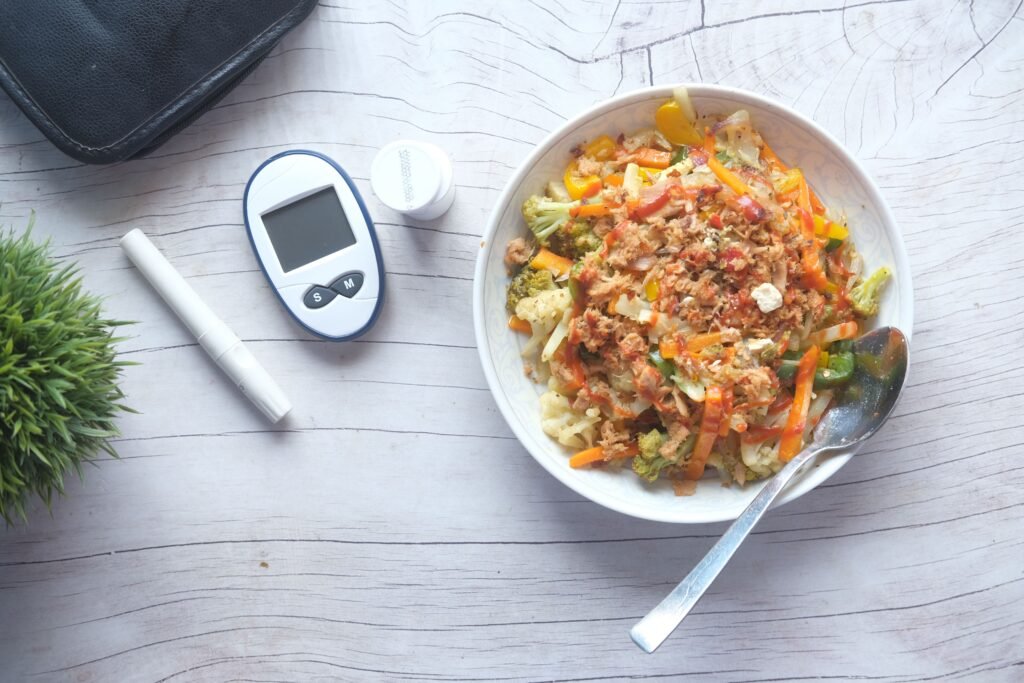 How to lower both triglycerides and fasting blood sugarBy Shiundu Valerie, RDNEating fewer carbs can help lower triglycerides and fasting blood sugar together. Learn how much to cut, what to swap in, and who should ask a doctor first.
 Is the Mediterranean diet or keto better for treating metabolic syndrome?Mediterranean diet vs. Keto for metabolic syndrome: discover what research says about blood sugar, heart health, and sustainable fat loss.
 How can my triglycerides be high if my total cholesterol numbers are normal?Normal cholesterol but high triglycerides? Discover the distinct metabolic mechanics between your structural cholesterol and triglycerides.
 Is sugar-free candy safe for diabetics or does it cause insulin spikes?Is sugar-free candy safe for diabetics? Learn how sugar alcohols affect insulin spikes, digestive health, and blood sugar management.
 How to eat out without spiking your blood sugarA Registered Dietitian shares practical ordering tactics and simple post-meal strategies to keep your glucose stable while dining out.
Sources
3 studies and guidelines behind this guide
Every NourishFix guide is written by a registered dietitian and draws on peer-reviewed research and clinical guidelines. How we choose and check sources