

Dietitian’s Bottom Line
- Mid-afternoon sugar and carbohydrate cravings are frequently driven by morning insulin spikes, reactive hypoglycemia, and hyperinsulinemia—which affects up to 95% of individuals with obesity-related PMOS and 75% of lean individuals.
- Breakfast must anchor on three core pillars: high protein (25–30g), high soluble fiber, and low-glycemic index (GI) carbohydrates to stabilize blood glucose and suppress ghrelin.
- Starting the day with adequate protein and healthy fats stops insulin surges, which in turn prevents the ovaries from overproducing androgens (testosterone) and breaks the cycle of afternoon fatigue.
To prevent afternoon sugar cravings in PMOS (PCOS), breakfast must focus on three pillars: high protein (at least 25–30g), high fiber (especially soluble fiber), and low glycemic index (GI) carbohydrates. This combination stabilizes blood sugar, reduces the insulin spikes that trigger later hunger, and regulates appetite hormones like ghrelin and CCK.
Why afternoon cravings happen in PMOS
Most women with PMOS (up to 95% of those with obesity and 75% of lean individuals) have insulin resistance. This leads to compensatory hyperinsulinemia, where the body overproduces insulin to manage blood sugar.
After a meal, these high insulin levels can cause a rapid drop in blood glucose, which the brain interprets as a need for immediate energy, triggering intense cravings for carbohydrates and sugar.
When insulin levels remain high, they trigger the ovaries to overproduce androgens (male-type hormones). These high androgens then further blunt insulin sensitivity, creating a cycle that leaves you with profound post-prandial lethargy and a hypoglycemic dip by mid-afternoon.
Learn more: Do You Have to Cut Out Dairy and Gluten Completely to Heal PMOS?
Why high protein at breakfast breaks the cycle
Starting your day with 25–30g of protein stabilizes blood sugar, restores fullness, and stops the ovaries from overproducing androgens—preventing the inevitable afternoon crash.
- Fixes Broken Satiety Signals: Triggers full-feeling hormones (CCK, GLP-1, PYY) and lowers the hunger hormone (ghrelin) to eliminate intense sugar cravings.
- Lowers Fasting Insulin: Prevents high-carb blood sugar spikes, reducing overall fasting insulin and improving insulin resistance (HOMA-IR).
- Stops Testosterone Overproduction: Lowering insulin stops ovarian theca cells from overproducing androgens (testosterone), breaking the hormonal loop.
- Builds a “Metabolic Sponge”: Preserves lean muscle mass—where most insulin receptors live—improving daily glucose control.
- Boosts Calorie Burn: Protein requires more energy to digest, boosting resting metabolism and making healthy eating easier to sustain.
Breakfast Options Ideas for PMOS
1. Savory Vegetable & Protein Scramble
2–3 eggs (or egg whites for higher protein volume) scrambled with non-starchy vegetables like spinach, mushrooms, peppers, or zucchini.
Pure animal protein and eggs have been shown in prospective studies to improve insulin sensitivity and reduce testosterone levels.
Add avocado for monounsaturated fats (MUFAs), which are a key predictor of lower testosterone levels and improved metabolic health in the Mediterranean diet.
Try this recipe: Veggie Breakfast Scramble Recipe
2. High-Fiber Whole-Grain Porridge
Porridge made from whole-grain rye or steel-cut oats (avoiding refined “instant” versions).
Whole grains are rich in B vitamins and minerals that stabilize glucose. Studies on rye porridge specifically noted its ability to improve postprandial glucose metabolism and suppress appetite.
Stir in a spoonful of flaxseeds for added fiber and omega-3 fatty acids, which may increase adiponectin (a hormone that improves insulin sensitivity). Sprinkle with cinnamon, which research suggests may support glucose tolerance by aiding insulin receptor function.
Try this recipe: Protein Steel-Cut Oats Recipe
3. Greek Yogurt with Nuts and Berries
Low-fat natural Greek yogurt or 2% fat quark topped with a handful of walnuts or almonds and a half-cup of berries (strawberries, blueberries, or raspberries).
Berries are low-GI and high-antioxidant fruits that satisfy a sweet tooth without causing a major glucose spike. Nuts provide MUFAs and protein that contribute to long-term satiation.
Higher-protein diets (providing ~30% of total calories) are associated with significantly greater reductions in fasting insulin compared to standard balanced diets.
Try this recipe: High Protein Yogurt Bowl Recipe
4. Mediterranean-Style Legume Toast
A portion of legumes (like seasoned chickpeas or lentils) served on a single slice of whole-grain rye or graham bread.
Pulse-based diets (beans, lentils, peas) are a hallmark of the LGI dietary pattern and have been clinically shown to reduce LDL cholesterol and triglycerides in women with PMOS.
Adherence to the Mediterranean diet—specifically high consumption of legumes and extra-virgin olive oil—is directly associated with reduced clinical severity of PMOS.
Try this recipe: Middle Eastern Chickpea Toast Recipe
5. Smoked Salmon and Avocado
Smoked salmon (or other fish rich in omega-3 fatty acids) paired with sliced avocado and sliced cucumbers or tomatoes.
Fish and seafood are essential components of the Mediterranean and DASH diets, which are recommended for improving ovarian morphology and reducing hyperandrogenism.
Omega-3 supplementation and dietary intake have been shown to down-regulate inflammatory markers like TNF-α and improve the overall metabolic profile.
Try this recipe: Avocado Toast with Smoked Salmon and Dill
6. Savory Rye Toast with Lean Poultry and Avocado
One or two slices of whole-grain rye or graham bread topped with lean turkey or chicken breast and sliced avocado.
Rye bread is a high-fiber whole grain that improves postprandial glucose metabolism. Lean animal protein supports muscle mass and satiety, while avocado provides monounsaturated fats (MUFAs) associated with lower testosterone levels.
Try this recipe: Turkey and Avocado Sandwich Recipe
7. Mediterranean Pulse-Based Breakfast Bowl
A warm bowl of seasoned chickpeas or lentils mixed with non-starchy vegetables like tomatoes, peppers, and onions, drizzled with extra-virgin olive oil.
Pulses (legumes) are high-fiber, low-GI staples that have been shown to significantly reduce LDL cholesterol and triglycerides in PMOS patients. Extra-virgin olive oil contains oleocanthal, a potent anti-inflammatory agent that supports insulin sensitivity.
Try this recipe: Savory Buckwheat Breakfast Bowl Recipe
8. Egg White and Mushroom Frittata
A frittata made primarily of egg whites (for high protein volume) and loaded with non-starchy vegetables like mushrooms, spinach, and zucchini.
High-protein diets (HPDs) are more effective than balanced diets at reducing fasting insulin and improving the HOMA-IR score. Non-starchy vegetables add bulk and essential vitamins without spiking blood sugar.
Try this recipe: Egg White Mushroom Frittata Recipe
9. Savory Buckwheat or Millet Groats
Cooked buckwheat or millet groats seasoned with herbs and topped with a poached egg or a small serving of sea fish like salmon.
Whole-grain groats are rich in B vitamins and fiber, which help regulate energy homeostasis and suppress appetite. Fish rich in omega-3 fatty acids helps down-regulate inflammatory markers like TNF-α and improves the overall lipid profile.
Try this recipe: Savoury Buckwheat Bowl Recipe
10. Cinnamon
According to a randomized controlled trial, women taking 1.5g of cinnamon daily over six months experienced significantly more frequent menstrual cycles.
Specifically, menstrual cyclicity improved by an average of 0.23 cycles per month, and progesterone testing confirmed that these were ovulatory menses, indicating that cinnamon may help restore regular ovulation
Clinical trials for PMOS typically utilize doses ranging from 1g to 1.5g per day. Cinnamon is recommended as a supplement to high-protein, low-glycemic index diets to help prevent the “vicious cycle” of insulin spikes and androgen overproduction
Building the breakfast
When creating your own PMOS breakfast, prioritize these craving-crushers:
- Protein Sources: Eggs, lean poultry, fish, Greek yogurt, or whey protein powder.
- Healthy Fats: Extra-virgin olive oil, nuts (walnuts, almonds), seeds (pumpkin, sunflower, flax), and avocado.
- Low-GI Fruits: Berries, citrus (oranges, grapefruit), cherries, and pears.
- Fiber Boosters: Non-starchy vegetables and whole-grain products.
- Spice it up: Add cinnamon to your grains or yogurt; it may improve insulin receptor function and glucose tolerance.
- Avoid: Refined grains, concentrated fruit juices, honey, and high-sugar cereals, as these can overload the body’s insulin production.
References
- Johnson C, et al. (2025). The Role of Diet, Glycaemic Index and Glucose Control in Polycystic Ovary Syndrome (PCOS) Management and Mechanisms of Progression. https://doi.org/10.1007/s13668-024-00601-4
- Stefanaki K, et al. (2024). Food Cravings and Obesity in Women with Polycystic Ovary Syndrome: Pathophysiological and Therapeutic Considerations. https://doi.org/10.3390/nu16071049
- Wang F, et al. (2024). Effects of high-protein diets on the cardiometabolic factors and reproductive hormones of women with polycystic ovary syndrome: a systematic review and meta-analysis. https://doi.org/10.1038/s41387-024-00263-9
- Xenou M, et al. (2021). Dietary Patterns and Polycystic Ovary Syndrome: a Systematic Review. https://doi.org/10.26574/maedica.2021.16.3.516
- Barrea L, et al. (2019). Adherence to the Mediterranean Diet, Dietary Patterns and Body Composition in Women with Polycystic Ovary Syndrome (PCOS). https://doi.org/10.3390/nu11102278
- Zhang L, et al. (2025). Optimizing carbohydrate quality: a path to better health for women with PCOS. https://doi.org/10.3389/fnut.2025.1578459
- Kort DH, et al. (2014). Preliminary evidence that cinnamon improves menstrual cyclicity in women with polycystic ovary syndrome: a randomized controlled trial. https://doi.org/10.1016/j.ajog.2014.05.009
You own the how
Turn this into meals: the NourishFix planner builds a week of PMOS-friendly meals and a shopping list.
Read next
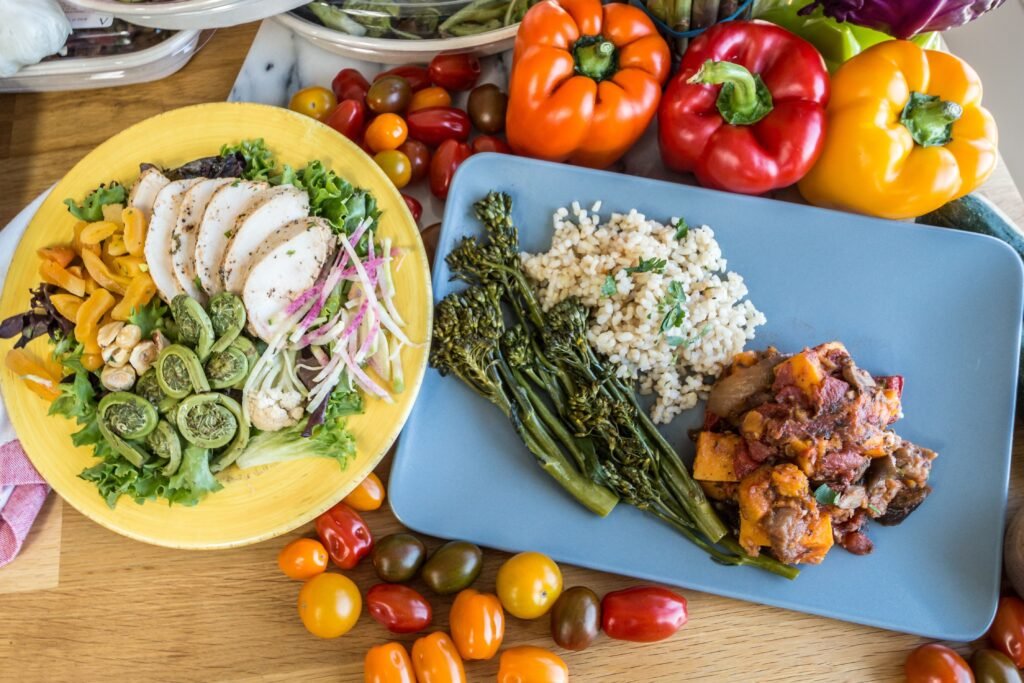 What is the best diet for PMOS?By Shiundu Valerie, RDNDiscover the best diet for PMOS based on clinical evidence, including DASH, Mediterranean, Low-GI, and strategies tailored to your phenotype.
 What are the best foods for PMOS (formerly PCOS)?Discover the best foods for PMOS to lower insulin resistance, reduce excess androgens, and restore your hormonal balance naturally.
 Why is your belly still growing after cutting sugar and dairy?Cut sugar and dairy, but struggling with abdominal obesity? Discover how "android obesity" and hormonal switches trap fat in your midsection.
 Do you have to cut out dairy and gluten completely to heal PMOS?Do you really need to cut out dairy and gluten for PMOS? Discover about the hidden insulin triggers behind your symptoms.
 Why is it so hard to lose weight with PMOS, even when eating healthy?Eating clean, but the scale won't move? Discover the 4 hidden hormonal barriers making it hard to lose weight with PCOS and…
Sources
7 studies and guidelines behind this guide
Every NourishFix guide is written by a registered dietitian and draws on peer-reviewed research and clinical guidelines. How we choose and check sources