

Dietitian’s Bottom Line
- Break the vicious cycle of insulin resistance and hyperandrogenism by stabilizing blood sugar and lowering systemic inflammation.
- 🟢 Eat More: Non-starchy vegetables, low-GI fruits, whole grains (oats, brown rice), legumes, and anti-inflammatory healthy fats (omega-3s, olive oil, nuts).
- 🔴 Limit or Avoid: Refined carbohydrates, high-glycemic foods, sugar-sweetened beverages, trans fats, and excess red meat.
- Key benefits include balanced hormones, clearer skin, sustained energy, and improved metabolic and ovulatory health.
The link between what you eat and how you feel with PMOS comes down to a “vicious cycle” involving insulin and androgens. Up to 75% of lean women and an even higher percentage of those in larger bodies struggle with Insulin Resistance.
Think of insulin as a “master key” that lets sugar into your cells for energy. When your cells stop responding to the key, your body pumps out even more insulin to compensate. This high level of insulin (hyperinsulinemia) acts as a direct trigger for the ovaries, causing them to produce too much testosterone and other “male” hormones (androgens). This hormonal surge is what leads to common symptoms.
By choosing specific foods, you can “cool down” this cycle. Symptoms food can help fix include:
- Weight Management: Balancing insulin reduces the drive for fat storage, particularly around the abdomen.
- Skin Clarity: Lowering androgens helps reduce the oil production that causes acne.
- Regular Cycles: Stable blood sugar supports the delicate hormonal balance needed for consistent ovulation.
1. Non-Starchy Vegetables
These are the foundation of many PMOS-friendly dietary patterns like DASH and the Mediterranean diet because they provide high volume and nutrition with minimal impact on blood sugar.
These vegetables are high in fiber and have a low glycemic index (GI).
They slow the rate of digestion, which prevents rapid spikes in blood sugar and subsequent insulin surges. Because high insulin levels stimulate the ovaries to produce excess androgens, keeping insulin low directly helps reduce symptoms like acne and hirsutism.
They also provide antioxidants that help combat the chronic low-grade inflammation often associated with PMOS.
Key Foods include:
- Cruciferous Vegetables: Broccoli, Bean sprouts, Cabbage, Cauliflower, Brussels sprouts
- Stem Vegetables: Celery, Spinach, Asparagus, Salad greens
- Nightshades & Culinary Fruit-Vegetables: Tomato, Peppers (all colors), Eggplant, Zucchini, Cucumber
- Mushrooms
- Artichokes
- Onions
- Turnips
2. Low-GI Fruits
While some fruits can be high in sugar, prioritizing these low-GI options allows you to benefit from essential vitamins without disrupting your metabolic balance.
These fruits are fiber-rich and contain natural sugars that are absorbed more slowly than refined sugars.
The high fiber and water content help maintain satiety and appetite control. They are also rich in polyphenols and vitamins (like Vitamin C), which support the body’s antioxidant defense systems and may improve overall insulin sensitivity.
Key Foods include;
- Berries (blueberries, strawberries, raspberries, blackberries)
- Citrus fruits (oranges, tangerines, grapefruit, lemons)
- Stone fruits (peaches, plums, apricots, cherries)
- Pears
- Apples (with skin)
- Melons.
3. Whole Grains
Unlike refined “white” grains, whole grains contain the entire kernel, providing complex carbohydrates that act as a steady fuel source.
They are excellent sources of complex carbohydrates, fiber, and essential minerals like magnesium and zinc.
They maintain steady blood glucose levels, which improves long-term insulin sensitivity and reduces the risk of progressing to Type 2 diabetes. Magnesium specifically acts as a cofactor for enzymes involved in glucose metabolism, while zinc is essential for insulin synthesis and signaling.
Key Foods include:
- Oatmeal (steel-cut or rolled)
- Brown rice
- Whole-grain rye
- Graham bread
- Groats (wheat, millet, and buckwheat)
- Whole-meal pasta.
4. Legumes
Legumes are a unique “superfood” for PMOS because they provide a powerful combination of plant-based protein and high fiber.
They have a low glycemic load and are rich in plant protein.
The fiber and protein “bulk” in legumes help to significantly reduce after-meal high sugar levels. Furthermore, legumes are essential for supporting healthy gut microbiota. A healthy gut can help regulate hormones and fight against the systemic inflammation that drives many PMOS symptoms.
Key Foods include: Red lentils, chickpeas, black beans, soy (edamame), peas, and common beans.
5. Anti-Inflammatory Healthy Fats (Omega-3s)
These foods are rich in unsaturated fatty acids, particularly Omega-3s, which are potent anti-inflammatory agents.
Women with PMOS often suffer from chronic low-grade inflammation, which can exacerbate insulin resistance. Omega-3 fatty acids help reduce inflammatory markers like C-reactive protein (CRP) and TNF-α. They also help lower total testosterone levels and improve lipid profiles by increasing “good” HDL cholesterol.
Key Foods include:
- Extra virgin olive oil
- Avocados
- Walnuts
- Flaxseed
- Pumpkin seeds
- Fatty fish such as salmon, tuna
- Sole
6. Lean Proteins
Protein has a higher thermic effect than carbohydrates and is essential for preserving lean muscle mass.
A diet with adequate protein (roughly 20% of total calories) increases satiety and energy expenditure after meals. This is particularly helpful for weight loss, as reducing body weight by even 5–10% can significantly improve ovulatory function and fertility.
Key Foods: Skinless chicken, turkey, eggs, and small portions of lean red meat.
7. Insulin-Sensitizing Herbs and Spices
Many common herbs contain bioactive compounds that mimic the effects of insulin-sensitizing medications.
- Cinnamon improves the efficiency of insulin and glucose intake, helping to lower fasting blood sugar
- Turmeric (Curcumin) acts as an antioxidant and anti-inflammatory, which may lower androgen levels and improve insulin sensitivity.
- Spearmint has been shown to have a significant anti-androgenic effect, helping to reduce excess testosterone and improve the development of ovarian follicles.
Foods to avoid or limit for PMOS (formerly PCOS)
Managing Polyendocrine metabolic ovarian syndrome (PMOS) involves limiting or avoiding foods that exacerbate the condition’s core drivers: insulin resistance, chronic inflammation, and hyperandrogenism (excess male hormones).
1. High Glycemic Index (GI) and Refined Carbohydrates
These foods cause rapid spikes in blood glucose, leading to compensatory hyperinsulinemia (high insulin levels). High insulin levels stimulate the ovarian theca cells to produce excess androgens, which disrupts follicle growth and causes symptoms like acne, hirsutism, and irregular periods.
Foods to Avoid: Sugar-sweetened beverages (soda, energy drinks), sweets, white bread, white rice, refined grains, and high-sugar fruits.
2. Saturated and Trans Fats
Saturated fat ingestion stimulates the release of pro-inflammatory cytokines such as TNF-alpha and increases oxidative stress.
This chronic low-grade inflammation directly interferes with insulin receptor function, worsening insulin resistance and further driving hormonal imbalances. Trans fats are also linked to a higher risk of ovulatory infertility.
Foods to Limit: Red meat (especially processed or fatty cuts), butter, cheese, and fried fast foods.
3. Processed Foods and “Western Diet” Patterns
These foods are often energy-dense but nutrient-poor, contributing to weight gain and increased BMI.
Excess adipose tissue (body fat) acts as an active endocrine organ that secretes inflammatory factors and exacerbates an insulin-resistant state. Additionally, unhealthy diets often contain Advanced Glycation End products (AGEs)—toxic compounds formed when food is cooked at high temperatures—which are significantly higher in women with PMOS.
Foods to Avoid: Salty snacks, processed meats, fast food, and highly processed packaged goods.
4. Excess Animal Proteins
Unlike plant proteins, high concentrations of animal protein can increase circulating levels of Insulin-like Growth Factor (IGF-I).
Elevated IGF-I levels are associated with a high risk of PMOS because they stimulate the ovarian theca-interstitial cells to increase androgen production.
Foods to Limit: Large portions of red meat and animal-derived proteins.
5. High-Sodium Foods
High sodium intake is linked to increased blood pressure and poor metabolic health.
Reducing sodium (as recommended in the DASH diet) helps improve glucose regulation and reduces abdominal fat deposition.
Foods to Limit: Highly salted snacks, canned soups, and fast foods.
References
- Muhammed Saeed AA, et al. (2025). Nutritional and herbal interventions for polycystic ovary syndrome (PCOS): a comprehensive review of dietary approaches, macronutrient impact, and herbal medicine in management. https://doi.org/10.1186/s41043-025-00899-y
- Szczuko M, et al. (2021). Nutrition Strategy and Lifestyle in Polycystic Ovary Syndrome—Narrative Review. https://doi.org/10.3390/nu13072452
- Alomran S, et al. (2023). Effect of Dietary Regimen on the Development of Polycystic Ovary Syndrome: A Narrative Review. https://doi.org/10.7759/cureus.47569
- Johnson C, et al. (2025). The Role of Diet, Glycaemic Index and Glucose Control in Polycystic Ovary Syndrome (PCOS) Management and Mechanisms of Progression. https://doi.org/10.1007/s13668-024-00601-4
- Juhász AE, et al. (2024). Ranking the dietary interventions by their effectiveness in the management of polycystic ovary syndrome: a systematic review and network meta-analysis. https://doi.org/10.1186/s12978-024-01758-5
You own the how
Turn this into meals: the NourishFix planner builds a week of PMOS-friendly meals and a shopping list.
Read next
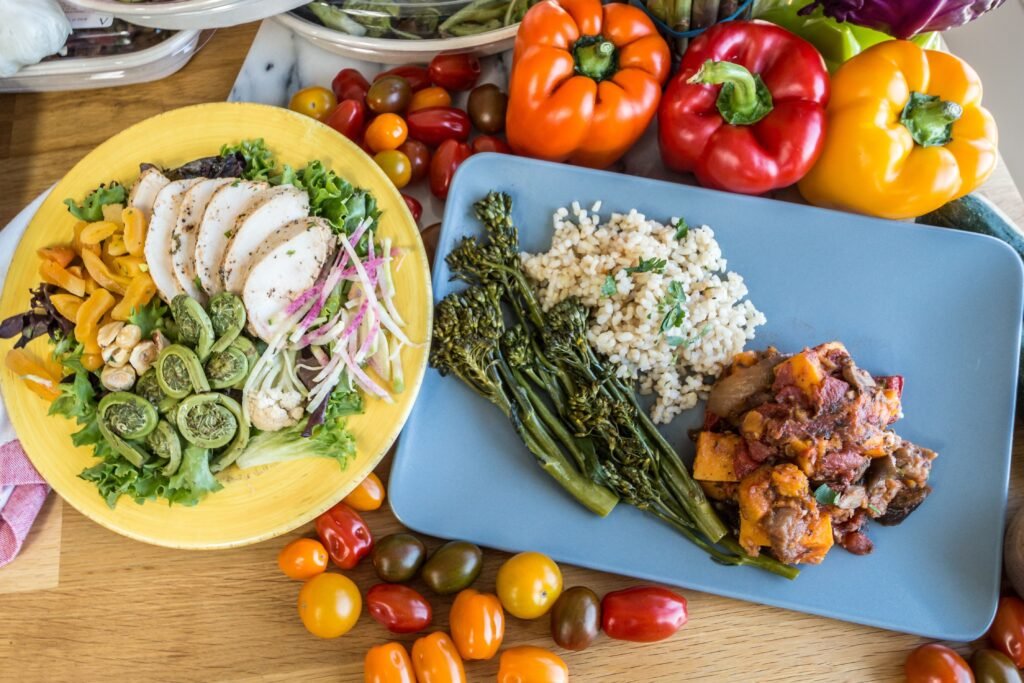 What is the best diet for PMOS?By Shiundu Valerie, RDNDiscover the best diet for PMOS based on clinical evidence, including DASH, Mediterranean, Low-GI, and strategies tailored to your phenotype.
 Why is your belly still growing after cutting sugar and dairy?Cut sugar and dairy, but struggling with abdominal obesity? Discover how "android obesity" and hormonal switches trap fat in your midsection.
 What is the best breakfast for PMOS to prevent afternoon sugar cravings?What is the best breakfast for PMOS to prevent afternoon sugar cravings? Try these high-protein PMOS breakfast options to lower insulin.
 Do you have to cut out dairy and gluten completely to heal PMOS?Do you really need to cut out dairy and gluten for PMOS? Discover about the hidden insulin triggers behind your symptoms.
 Why is it so hard to lose weight with PMOS, even when eating healthy?Eating clean, but the scale won't move? Discover the 4 hidden hormonal barriers making it hard to lose weight with PCOS and…
Sources
5 studies and guidelines behind this guide
Every NourishFix guide is written by a registered dietitian and draws on peer-reviewed research and clinical guidelines. How we choose and check sources